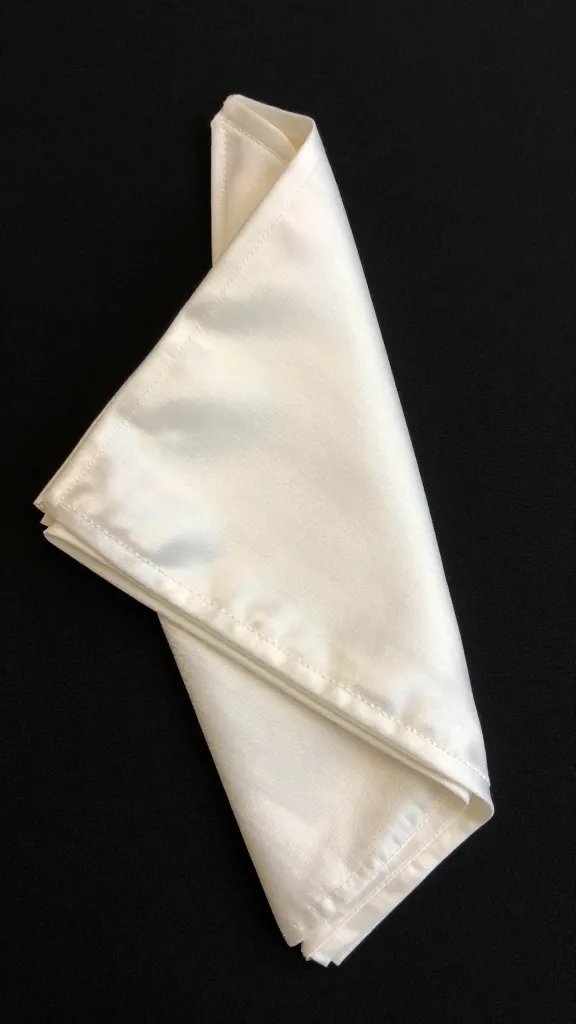
Ever planned a party and wished your moodboard could just do the heavy lifting for you? Spoiler: it can. A stylish moodboard sets the vibe, saves you from endless indecision, and gives your whole event a cohesive look—without you yelling, “But does this white napkin match the napkins?” all night.
So yeah, let’s make a moodboard that actually sticks to the vibe you want. Grab a coffee, and let’s dive in.
Define the vibe in one sentence
Start with a single, punchy statement that captures the mood. Think: “Modern tropical chic for an intimate sunset soiree” or “playful, retro glam that feels like a summer picnic in a cinema.” This isn’t a manifesto you’ll publish, just a compass you can reference whenever you’re unsure. FYI, clarity beats many cute ideas that don’t talk to each other.
Gather your raw materials
What goes on a moodboard? Images, colors, textures, fonts, and little tactile bits that spark the feeling you want. Don’t overthink it—collect a mix of:
- Photography: color-rich, light-filled images that look like your event could exist in real life
- Color swatches: a palette you love, with a few neutrals to balance the bold stuff
- Textures: fabric samples, paper textures, wood grains, metal finishes
- Materials: sample invitations, fabric swatches, or packaging you’d actually use
- Fonts and typography vibes: something that matches your vibe, even if you haven’t picked a wedding-like script yet
If you’re short on physical items, digital boards work just fine. The key is variety and a consistent thread. Or as I like to say: variety is the spice, cohesion is the sauce.
Build your palette with intention
Your color palette is the backbone. Pick 3–5 core colors and 1–2 neutrals. Ask yourself:
- What should the space feel like at first glance?
- Which colors make guests feel welcome or energized?
- Do you want high contrast or a soft, harmonious blend?
Pro tips:
- Choose one dominant color, one secondary, and 1–2 accents for pops.
- Test how colors look in photos; some hues glare on screens, some look dull in daylight.
- Consider lighting: warm lights can make yellows sing and greens glow; cool lights can make blues feel crisp.
If you’re stuck, start with a piece that already excites you (a dress, a venue feature, a logo) and pull colors from it. IMO, you’ll thank yourself when everything slots into place without a big puzzle.
Texture, details, and tactile anchors
A moodboard isn’t just pretty pictures—it’s about texture. This is where your board starts to feel real. Consider:
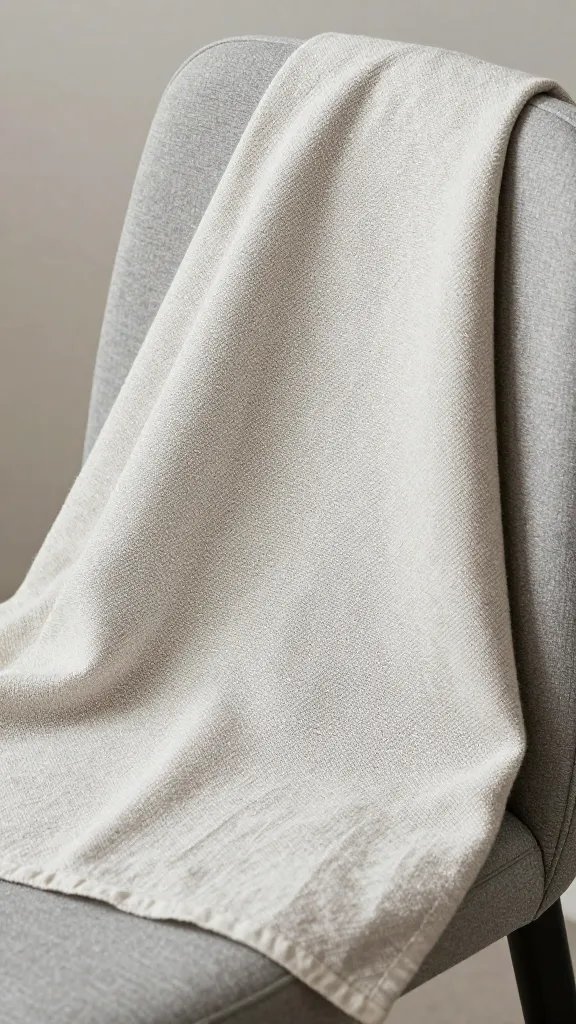
- Materials: linen, velvet, burlap, concrete, acrylic
- Finish ideas: matte vs. satin vs. gloss
- Patterns: subtle weaves, bold florals, geometric repeats
Subsection:
Creating tactile depth
Print samples are gold. If you’re doing a physical board, layer fabric swatches with paper cards and a sample invite. For digital boards, mock up with product photos that show the texture in close-up. The brain loves seeing depth—so give it ridges, fibers, and a hint of shine.
Layout: let the eye travel
Symmetry is soothing, but contrast keeps things interesting. Here are a few methods:
- If you love calm: grid out your board with equal blocks and breathing room.
- If you crave drama: cluster hotspots (one big image surrounded by smaller notes) to guide the eye.
- Story flow: arrange elements as if you’re telling a mini story—start with mood, move to palette, then to details.
Subsection:
Make a hero image your north star
Pick one image that embodies the mood—size it large and position it where your eye lands first. Everything else then radiates from that anchor.
Fonts, typography, and messaging vibes
Typography speaks before your words even do. Pick 1–2 type families that fit your vibe and stay consistent across invites, signage, and social posts. Quick delighters:
- Pair a strong display font with a clean sans for readability
- Reserve script or decorative fonts for headers only
- Test readability at smaller sizes; you don’t want something that looks artful but unreadable
If you’re unsure, grab a few sample phrases and see how they feel when paired with your palette. The goal is legible charm, not chaos.
Practicalities and how to stay sane
Moodboards exist to guide decisions, not to become the boss of you. Keep these guardrails:
- Set a veto list: items you won’t consider under any circumstances (think: neon pink napkins for a candlelit gala, unless that’s your vibe).
- Limit sources to avoid board clutter. Pick 3–5 trusted places for imagery.
- Timebox the process. Give yourself a few focused sessions instead of doom-scrolling for days.
A tidy board saves you from 2 a.m. “let’s redo the entire color scheme” panic.
Subsection: moodboard tools that actually help
– Physical boards for texture and physical feel
– Digital boards: Pinterest, Milanote, Canva moodboard templates
– Quick DIY trick: print a few favorite images at small scales and arrange them on a poster board with glued notes
From board to event: actionable next steps
Your moodboard is a map, not a museum exhibit. Translate it into real-world decisions:
- Venue styling: fabrics, seating, and tableware that fit your palette
- Invites and branding: fonts and color alignment from online save-the-dates to printed invites
- Lighting and ambiance: film-friendly golden hour looks or moody uplighting, depending on vibe
- Vendor briefings: share the moodboard with caterers, florists, and designers so everyone’s on the same page
If you do this, you’ll avoid the dreaded “but I swore the napkins were pink” moment.
How to keep your moodboard alive during the planning chaos
A moodboard shouldn’t be a dusty artifact. Keep it current:
- Update it as you lock in vendors or change direction
- Keep a running list of decisions tied to moodboard elements
- Take photos of staged setups during tastings or walkthroughs and drop them into the board for reference
Trust me, future-you will thank you for not letting the board collect digital cobwebs.
FAQ
Do I need to use only digital moodboards?
A: Not at all. Physical boards excel for texture and tactile memory, while digital boards are great for sharing and quick edits. Use both if you can—or pick whichever feels easiest for you.
How many colors should I include?
A: Aim for 3–5 core colors plus 1–2 neutrals. Too many shades can feel chaotic; too few can feel flat. The sweet spot gives you flexibility without confusion.
What if I’m designing a themed event?
A: Let the theme guide the board, but anchor it with practical details you can execute. If the theme is “under the stars,” think about lighting, textures that feel night-sky luxe, and a color glow that mimics twilight.
Can I reuse a moodboard for multiple events?
A: You can, but it’s smarter to tailor it. A moodboard should evolve with the event’s goals. If you reuse it, update at least one major element so it stays fresh.
How do I present a moodboard to clients or a team?
A: Keep it clean and focused. Start with the vibe statement, show the palette first, then the textures and details. End with practical notes: what’s feasible within budget and timeline, and where you’ll start the vendor briefings.
Conclusion
A stylish moodboard isn’t decoration for decoration’s sake. It’s the impatience-killer, the decision-maker, and the vibe-creator all in one. Build with intention, layer texture, and keep the layout telling a story. FYI, when you finally see those images and swatches click into place, you’ll feel like you’ve secured a secret weapon for the event you’ve been dreaming of. Ready to start crafting yours? Go on—your future party-planner self will high-five you.
Explore More & Elevate Your Celebration
If you’re planning a dreamy and romantic wedding, explore our Weddings category for timeless inspiration, elegant decor ideas, and essential planning tips.
For stylish birthday celebrations filled with warm glow and feminine touches, visit our Birthdays category.
If you’re hosting a party or elegant soirée and need ideas, stylish setups and glow-approved decor, explore Parties & Events.
For refined tablescapes, elegant decorating ideas, and styling inspiration that transforms any celebration, visit Decor & Styling.
If you want to stay organized, plan stress-free, and make your celebration feel effortless, explore our Planning category.
For soft, glowing, magical ideas and warm inspiration to elevate every moment, discover our Inspiration category.