
You’ve decided to plan an event, and now your brain is buzzing with a hundred questions and zero answers. Where do you start? Who do you invite?
Why does this feel like you’re coordinating a small moon landing? Don’t stress. I’ll walk you through it step-by-step so you can go from “uhhh” to “I’ve got this” without melting down.
Start With The Point: Why Are You Doing This?
Every good event begins with a clear purpose.
Are you trying to celebrate, educate, fundraise, or just show off your charcuterie board skills? Pin down the goal and write it in one sentence. Then define what success looks like.
Do you want 30 RSVPs, $5,000 raised, three new clients, or just a night where nobody leaves early? Outcomes guide every decision, from venue to budget to the playlist.
Build Your Event Identity
Give your event a vibe. Is it laid-back and cozy or high-energy and polished? Choose a theme or visual style early—colors, fonts, tone—so everything feels cohesive.
It doesn’t need to be Pinterest-perfect. It just needs to feel intentional.
Budget: The Unsexy Hero
You can’t plan anything until you know what you can afford. Create a simple budget with a few main buckets and rough estimates.
Expect to tweak as you go, because surprise costs love to appear uninvited. Common budget categories:
- Venue and permits
- Food and beverage
- Audio/visual and tech
- Decor and signage
- Entertainment or speakers
- Marketing and printing
- Staffing and security
- Insurance and contingency (10–15%)
Free or Cheap Wins
- Ask sponsors for product donations or discounts.
- Use free design tools for invites and graphics.
- Pick a venue with built-in AV and tables/chairs.
- Opt for buffet or food stations over plated meals.

Guest List, Format, and Flow
Who do you want in the room? Make a list of audience types first—clients, friends, members, partners. Build from there.
Don’t invite everyone your mom suggests. Curate for the vibe and goal. Then choose a format that fits your people and purpose:
- Networking mixer: Cocktail tables, light music, icebreakers.
- Workshop: Tables, materials, clear agenda, hands-on time.
- Panel or talk: Chairs in rows, strong moderator, Q&A.
- Party: Dance floor, DJ, photobooth, food stations.
Flow matters. Plan the sequence: arrival, welcome, main activity, break, final moment.
Keep energy up. Avoid long dead zones where people stare at napkins.
Timing: Your Secret Weapon
Pick a date that works for your crowd, not just for you. Consider school breaks, holidays, big local events, and industry conferences.
Midweek evenings (Tues–Thurs) and late Sunday afternoons often work best for adults with busy weekends. FYI: Shorter events usually feel better—aim for 90 minutes to 3 hours max unless it’s a conference.
Venue and Logistics Without Headaches
Your venue sets the tone and solves a lot of problems—or creates them. Choose based on capacity, reliability, and included amenities.
If you can find a spot that includes tables, chairs, AV, and staff, you’ll save money and sanity. Ask these questions before you sign:
- What’s included in the rental? (Chairs, linens, AV, Wi-Fi?)
- Any restrictions? (Noise, catering, decor, alcohol?)
- Do I need insurance or security?
- What’s the rain plan? (Outdoor events need backup.)
- Load-in/out times and parking for vendors?
AV and Tech Basics
Don’t assume anything works until you test it. You need:
- Microphone and speakers that match the room size.
- Adapters for laptops (HDMI, USB-C, etc.).
- Stable Wi-Fi—or a fully offline plan.
- Backups: extra cables, batteries, a spare laptop.
IMO, a good mic and the right lighting fix 90% of event “quality” issues.

Vendors, Partners, and People Power
You can’t do everything. Bring in help early.
Even for a small event, assign roles so you don’t end up greeting guests while also unclogging the bar line. Build your micro-team:
- Coordinator (you): oversees everything.
- Registration lead: check-in, badges, lines.
- Hospitality lead: food, vendors, green room.
- Stage manager: speakers, timing, AV cues.
- Floater: solves random problems like a ninja.
Vendor checklist:
- Caterer or food trucks
- Bar service (licenses!) or non-alcoholic stations
- DJ or playlist + speakers
- Photographer or DIY photo corner
- Rentals: furniture, linens, decor
Contracts and Expectations
Put everything in writing. Confirm delivery times, setup needs, power requirements, menu counts, payment schedule, and cancellation terms. Share a run-of-show with vendors so everyone stays in sync.
Promotion That Doesn’t Feel Cringe
You don’t need a Super Bowl ad.
You need a clear message and repetition. Start with the basics:
- Landing page or event listing with who/what/when/where/why and a strong CTA.
- Simple registration form—no one wants to answer 37 questions.
- Save-the-date 4–8 weeks out, invites 3–6 weeks out, reminders weekly, then 72 hours and 24 hours before.
Mix channels:
- Email your list (subject lines matter).
- Post on social with clear visuals and countdowns.
- Ask partners and speakers to share with ready-made copy.
- Offer an early-bird or referral perk if it fits.
Make Your Event Shareable
Create moments worth posting:
- Statement backdrop or neon sign.
- Photo-friendly lighting.
- Interactive elements (wall of notes, tasting stations, demos).
And yes, a photobooth still works. People love good lighting and props.
It’s science.
The Run-Of-Show: Your Event’s GPS
This is the master timeline that keeps you sane. It shows who does what and when. Include load-in, mic checks, doors open, stage times, food service, transitions, and wrap. Build three versions:
- Guest-facing schedule (simple)
- Internal run-of-show (detailed by minute)
- Vendor timeline (load-in/out, power, contacts)
Pack an event kit:
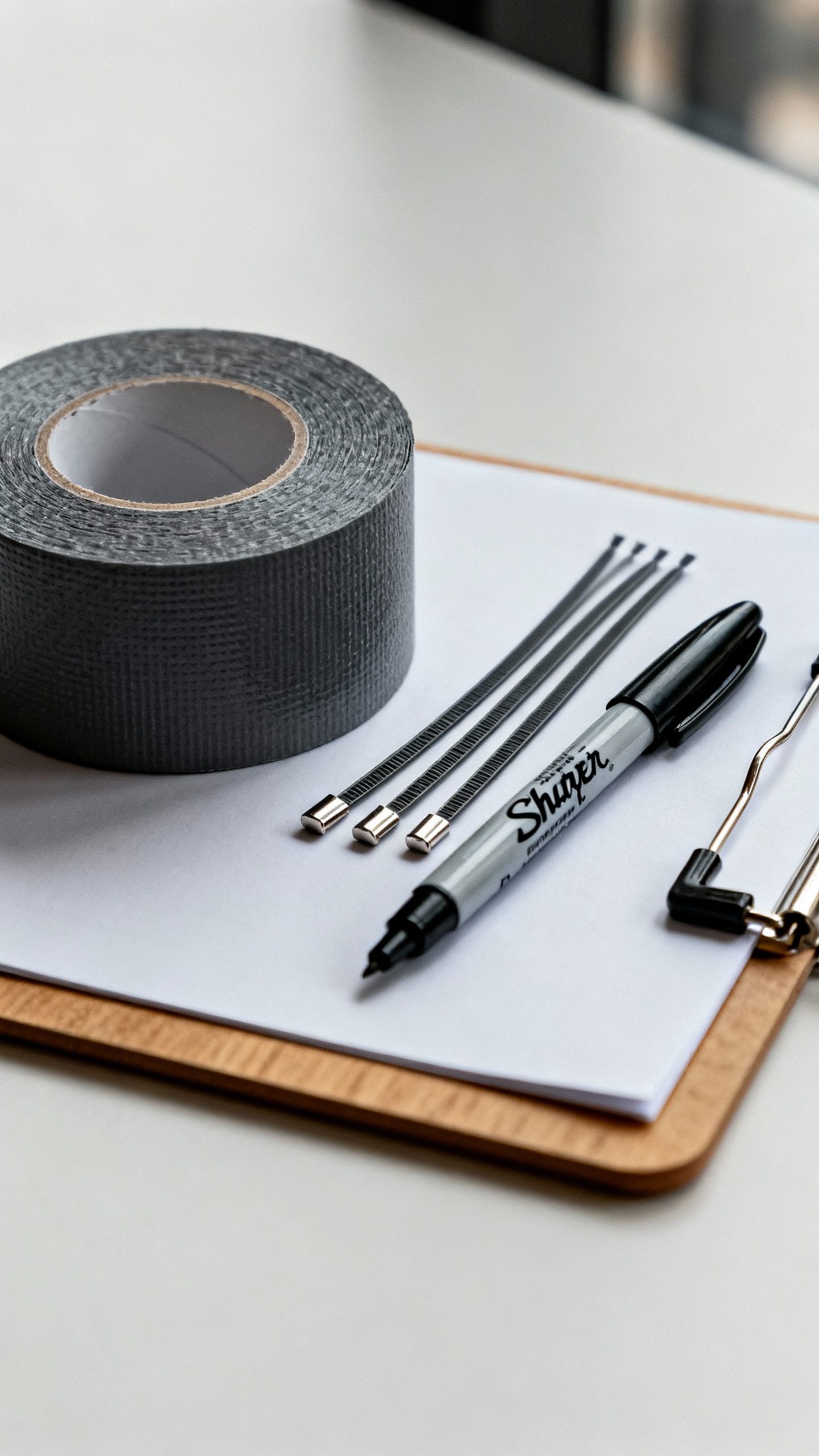
- Gaffer tape, scissors, zip ties
- Sharpies, pens, name labels
- Extension cords, power strips
- First aid, stain remover, mints
- Printed agendas and phone chargers
FYI: Zip ties and gaffer tape will solve problems you didn’t know existed.
On-The-Day Mindset
Arrive early.
Do a walk-through. Fix the lighting. Test the mic.
Hype your team. Greet your first guests personally and set the tone. If something goes sideways—and it will—smile and keep moving.
Guests follow your energy.
After The Confetti: Follow-Up Like A Pro
The event doesn’t end when the music stops. Send a thank-you email within 48 hours with photos, highlights, and any promised links. If you raised money or launched something, share results.
Then do a quick debrief:
- What worked? What flopped?
- Who stood out? Thank them.
- What do you repeat, skip, or fix next time?
Capture feedback while it’s fresh with a short survey—five questions max.
FAQ
How far in advance should I start planning?
Small gatherings can come together in 2–4 weeks.
Mid-size events (50–150 people) feel good with 6–10 weeks. Anything bigger or more complex—think sponsors, speakers, or multiple vendors—deserves 3–6 months. Start sooner if venues book fast in your area.
Do I need event insurance?
Often, yes.
Many venues require it, and it protects you if something goes wrong. If you’re serving alcohol, doing physical activities, or hosting outdoors, insurance goes from “nice-to-have” to “please-do-this.” It’s not expensive for one-off events.
What if my budget is tiny?
Lean into simplicity. Choose a free or low-cost venue, keep the menu minimal, and focus on great flow and conversation.
Partner with a brand or local business, or ticket the event at a fair price. IMO, a clear purpose and good energy beat fancy decor every time.
How do I handle no-shows?
Plan for 15–30% attrition. Send reminders, ask for confirmations, and offer a waitlist.
For free events, consider a small deposit to boost show-up rates. Keep the room cozy so it still feels full if fewer people come.
What’s the best way to keep people engaged?
Design for interaction. Add Q&A, breakout chats, live polls, demos, or activation stations.
Shorten speeches, increase transitions, and use music to cue energy shifts. Feed people. Hydration and snacks do wonders for morale and attention.
Do I really need a theme?
Not mandatory, but helpful.
A loose concept—like “fresh starts,” “local makers,” or “black-and-gold”—creates cohesion without extra work. It helps with decor, playlist, and marketing so everything feels intentional instead of random.
Conclusion
You don’t need to be an event pro to pull off something memorable. Start with a purpose, set a realistic budget, design a clean flow, and get the right help.
Keep it simple, keep it human, and keep your sense of humor. Do that, and your guests will leave thinking, “When’s the next one?” And honestly, that’s the best review you can get.
Explore More & Elevate Your Celebration
If you’re planning a dreamy and romantic wedding, explore our Weddings category for timeless inspiration, elegant decor ideas, and essential planning tips.
For stylish birthday celebrations filled with warm glow and feminine touches, visit our Birthdays category.
If you’re hosting a party or elegant soirée and need ideas, stylish setups and glow-approved decor, explore Parties & Events.
For refined tablescapes, elegant decorating ideas, and styling inspiration that transforms any celebration, visit Decor & Styling.
If you want to stay organized, plan stress-free, and make your celebration feel effortless, explore our Planning category.
For soft, glowing, magical ideas and warm inspiration to elevate every moment, discover our Inspiration category.