
I love hosting because it’s basically a chance to press pause on everyone’s day and press play on comfort. The goal? Make people feel at home the moment they walk in the door. No stress, just good vibes and great bites. Let’s break down simple, practical ways to achieve that.
Set the Scene Before People Arrive

First impressions matter, even if they’re just walking through the door. A few quick touches can dial up the welcome without turning you into a full-on event planner.
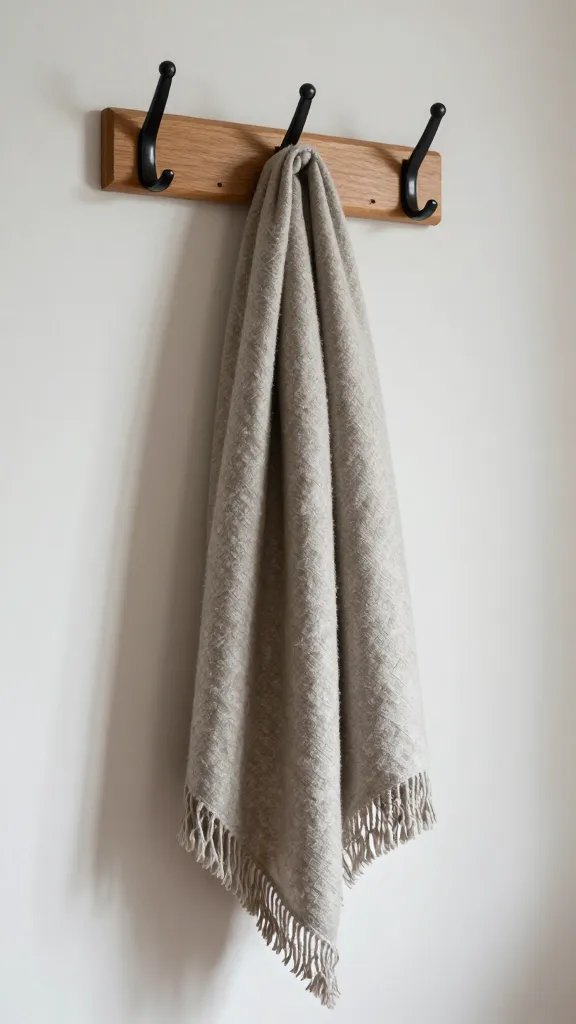
– Tidy, but real-life tidy. You don’t need to deep-clean the entire house. Do a quick sweep, fluff cushions, and lay out a few cozy throws. It signals hospitality without shouting, “I cleaned for you.”
– Ambient hints. A gentle playlist, pleasant scents from a candle or diffuser, and warm lighting create instant warmth. FYI, keep the volume at a level where conversations aren’t competing with the music.
– Clear flow. Make it easy for guests to find the essentials: where they can hang coats, grab a drink, and settle into seating. No one wants to play “how do I reach the couch without crawling over someone?”
Personalize the Arrival

Hospitality shines when you acknowledge people as individuals, not nameless guests. It’s the small, thoughtful touches that add up.
Greeting Rituals
– Meet them at the door with a genuine smile and a named hello. A quick, warm handshake or hug if it suits the relationship goes a long way.
– Note a quick detail from your prior conversations. “How’s the new job going?” or “Loved your last post about hiking.” It shows you’re paying attention.
Names, Names, Names
– Use people’s names in conversation. It personalizes the moment and makes them feel seen.
– If you’ve got a larger group, assign a quick icebreaker that helps folks remember each other’s names. A tiny, 60-second game can do wonders.
Food and Drink That Invite Conversation
Food is love, food is comfort, and food is a social lubricant. You don’t need Michelin-level prowess to make guests feel special.
– Plan a simple spread. Think a mix of easy crowd-pleasers and a couple of distinctive bites. A cheese board, veggie platter, and a hot dish or two cover most dietary bases without becoming a full-blown kitchen marathon.
– Make it optional, not stressful. Label dishes if you’ve got dietary considerations (gluten-free, dairy-free, etc.), but keep it casual. A handwritten card on the board works, or just a friendly heads-up as you plate.
– Drinks that don’t require a second run to the store. A couple of bottle options, plus a mocktail or two, ensures everyone can sip something they enjoy without extra hassle.
DIY Snack Wins
– Build-a-bite stations. A small setup where guests assemble their own snack (tortilla chips + dips, toppings for crostini) creates interaction and cuts the pressure on you.
– Warm options without the chaos. A slow cooker full of chili, soup, or creamy dip can stay cozy on the counter while people chat. You won’t be stuck in the kitchen all night—and neither will your guests.
Create Space for Connection

The real magic happens when people can actually talk without shouting over a blender or a dog that wants to share the spotlight.
– Arrange seating for conversation. Mix seating types so folks can face each other. A couch, a couple of chairs, and a few stools create the right angles for easy dialogue.
– Embrace the flow. Put the “public” activities in one zone and the quieter conversations in another. If someone wants to bounce between topics, there’s a natural path for them to do so.
– Don’t host a monologue. You’re not delivering a TED Talk; you’re nurturing a two-way exchange. Prompt questions, listen actively, and resist the urge to interrupt with your latest anecdote.
Small Gestures, Big Impact
Sometimes the little things matter most because they’re unexpected.
– Thoughtful touch at the door. A simple welcome note, a personalized playlist moment, or a small treat like a homemade cookie jar says you care beyond just “come on in.”
– Consider comfort needs. Have a stash of blankets, a fan for warm nights, or a few extra chargers around. People remember that you anticipated their comfort.
– Respect personal space. Read the room. If someone seems overwhelmed, offer a private moment to catch their breath rather than pressuring them into socializing.
Host Responsibly: Boundaries and Balance
Being a good host also means knowing when to step back and let the night breathe.
– Set reasonable expectations. If you’ve got a big group, it’s okay to plan a natural wind-down and a clear end time. Not every visit needs to stretch into the wee hours.
– Manage energy, not drama. If you sense tension or fatigue creeping in, switch gears—offer a calm activity, a short walk outside, or a quick game to reset the mood.
– Respect dietary and accessibility needs. Check in advance about allergies or mobility concerns. Simple questions upfront save everyone a lot of awkward moments later.
FAQ
How can I make introverts feel comfortable in a group setting?
Offer quieter spaces and optional activities. A cozy corner with dim lighting, soft music, and a couple of low-stakes conversation prompts helps. Let them choose whether to participate in big group chats or drift into smaller, friendlier conversations.
What’s the best way to handle dietary restrictions?
Ask in advance, label dishes kindly, and ensure there are clear, easily accessible options. Avoid singling people out awkwardly; a quick note near the food or a short line in your invitation works well.
How do I gracefully handle last-minute guests?
Be honest and warm. “We’re glad you’re dropping by! We’ve got X and Y ready—would you like tea or a quick snack?” A flexible approach beats a rigid plan any day.
What if my space is small?
Create intimate zones: a corner for conversation, a compactSnack station, and a spot to perch near the entry. Use vertical space and lighting to trick the eye into feeling more open. People appreciate thoughtful arrangement more than square footage.
How do I keep the vibe relaxed without seeming like a doormat?
Set friendly boundaries with confidence. You’re the host, not a live-in waiter. It’s okay to delegate tasks, define a rough timeline, and say no to overloading yourself. People respect a host who protects their own boundaries.
Should I assign seats?
If your group is large or you’re hosting a casual dinner, a gentle seating plan helps conversation flow. Leave some flexible seating for spontaneous good vibes, but a few designated spots prevent awkward shuffles.
Conclusion
Being the hostess who makes everyone feel seen doesn’t require a fancy playbook—just a few thoughtful moves and a smile that says, “You matter here.” Start with a warm entrance, tune the setting to comfort, and keep the energy flexible enough to flow with the night. Remember, it’s not about perfection; it’s about making people feel genuinely welcome. So next time you host, lean into the little moments: the name you drop, the snack that arrives at the exact right moment, the space you’ve prepared for easy conversation. IMO, that’s how you turn a gathering into a memory.
Explore More & Elevate Your Celebration
If you’re planning a dreamy and romantic wedding, explore our Weddings category for timeless inspiration, elegant decor ideas, and essential planning tips.
For stylish birthday celebrations filled with warm glow and feminine touches, visit our Birthdays category.
If you’re hosting a party or elegant soirée and need ideas, stylish setups and glow-approved decor, explore Parties & Events.
For refined tablescapes, elegant decorating ideas, and styling inspiration that transforms any celebration, visit Decor & Styling.
If you want to stay organized, plan stress-free, and make your celebration feel effortless, explore our Planning category.
For soft, glowing, magical ideas and warm inspiration to elevate every moment, discover our Inspiration category.