
Introduction
Starting from zero and feeling overwhelmed is totally normal. You don’t need a full interior design degree to create a space you love. Let’s cut to the chase and build a plan that actually sticks, without the drama.
Know Your Spark: Start with What You Already Have
– Look around and pick the items you genuinely love. If it makes your heart do a little flip, it’s a keeper.
– Create a “favorite pile” of 3-5 pieces that anchor the room. These are your non-negotiables.
– Take photos and jot quick notes about colors, textures, and what you enjoy about each item.
Quick-start Exercise: The 10-Minute Mood Swap
– Set a timer and rearrange the same furniture with no new purchases.
– Swap a rug, throw, or plant for a fresh vibe. FYI, tiny changes can yield big vibes.
– Ask yourself: Does this feel calmer, cozier, or more energized? If the answer is yes, you’re on the right track.
Figure Out Your Vibe Without Complicating It
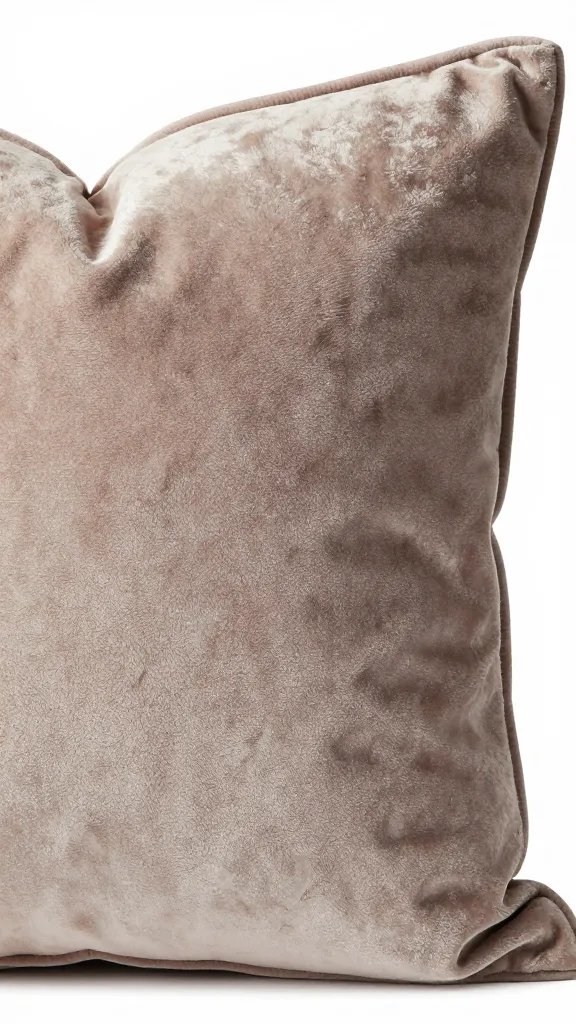
– Pick a vibe that fits your life, not a magazine spread. Think cozy, minimal, playful, or moody.
– Create a simple mood board: 5 images, 3 colors, 2 textures. Save them on your phone and reference them when shopping or rearranging.
– Don’t chase perfection. Your space should feel like you, not like a showroom.
Vibe Quick Wins
– Choose a primary color (one wall, a rug, or a sofa) and two accent colors. Too many colors = chaos.
– Mix textures for depth: linen, velvet, wood, and metal all play nicely when balanced.
– Lean on plants. They soften edges and bring life without demanding a full-time vet check.
Shop Your Space: Smart, Not Expensive
– Before buying, measure everything. Your future self will thank you when the sofa fits through the door.
– Invest in versatile basics: a sturdy coffee table, a comfortable sofa, good lighting.
– Mix high-impact pieces with affordable accents. You don’t need to break the bank to look intentional.
Budget-Friendly Upgrade Ideas
– Swap out hardware on cabinets or drawers for an instant facelift.
– Add peel-and-stick wallpaper on a single wall or a half-wall. It’s dramatic, but reversible.
– Use a large mirror to bounce light and make a small room feel bigger.
Lighting: The Easy Game-Changer

– Light fuels mood. The right layers beat one harsh ceiling light every time.
– Use three types of lighting: ambient, task, and accent.
– Dimmer switches are your best friend for mood control. If you don’t have them, candles (safe ones!) count in a pinch.
Layering Light Without a Torch-Wielder’s Guide
– Start with a warm overhead light, then add a table lamp and a floor lamp in separate corners.
– Consider color temperature: warm white (2700-3000K) feels cozy; cooler temps (3500K+) feel crisp. IMO, warm is your friend for living spaces.
– Put lamps at eye level to avoid glare and to create inviting pools of glow.
Texture, Pattern, and Balance: Don’t Overthink It
– Texture brings comfort; patterns should complement, not overpower.
– Start with a neutral base and layer in pieces with small, repeating motifs.
– A good trick: pick one bold pattern and repeat it in small doses (cushions, a rug, a throw).
Pattern Pairing 101
– If you choose a bold geometric rug, keep cushions solid or with a soft secondary print.
– Shy away from mixing more than three busy patterns in a single space. Your eyes will thank you.
– Add a grounded element, like a solid block color or a big natural texture (wood, stone, woven fiber).
Personalize Without Personal Overload

– Display items that tell your story: travel finds, books you love, art you actually enjoy looking at.
– Rotate favorites seasonally. It keeps the space feeling fresh without a full redo.
– Don’t be afraid to edit. If it doesn’t spark joy (or at least curiosity), it might not need a place in the room.
What to Rotate First
– Swap textiles: curtains, cushions, rugs. A simple swap can dramatically shift the room’s vibe.
– Reframe art and photos on walls. A new layout can feel like a new room.
– Tidy up clutter zones. Clear surfaces instantly make a space feel calmer.
Color Without Chaos: A Gentle Path
– Start with one base color for walls or a large surface, then bring in two accent colors.
– If you’re color-phobic, use neutrals and add warmth with wood tones and textiles.
– Remember: color is a mood, not a mandate. You can always repaint or switch textiles later.
Color-Proofing Your Decisions
– Test swatches on a big poster board and observe in different light. Morning, noon, and night matter.
– Consider the room’s function: soothing hues for bedrooms, brighter accents for workspaces.
– Use color to guide flow: warmer tones invite conversation; cooler tones promote focus.
Declutter Like a Pro: Less Can Be More
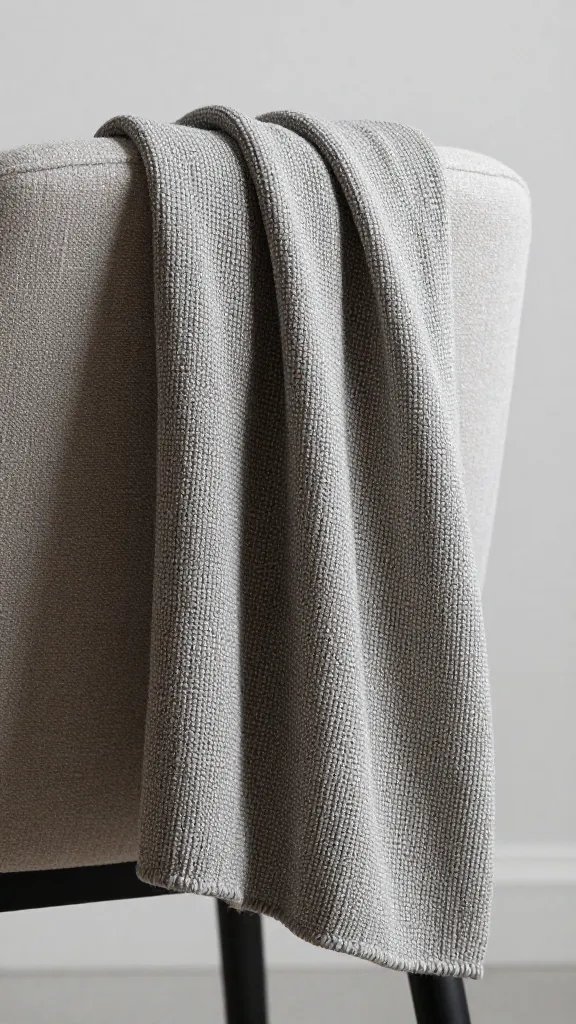
– A cleaner canvas makes style easier to see and enjoy.
– Start with a 15-minute daily tidy: put things away, then reassess what you really need.
– A smart rule: every item should earn its place or be recycled, donated, or stored out of sight.
Declutter Drill: The 3-Pile Method
– Keep: items you use weekly and love.
– Maybe: things with potential that you’ll decide on within a month.
– Trash/Donate: items you haven’t touched in six months or more.
FAQ
How do I start if I truly don’t know what I want?
Start with one anchor piece you love and build around it. A favorite chair, rug, or piece of art acts as your compass. From there, let two or three supporting pieces follow its lead. FYI, less is more until you gain confidence.
Is it okay to mix high-end pieces with budget buys?
Absolutely. The key is balance. Pair a standout, well-made piece with affordable accents. The room reads intentional rather than rushed, and your wallet stays happy.
How many colors should I use in a room?
Three is a nice, safe number: one base color, plus two accents. You can expand later if you want, but start small to avoid a color overload. IMO, restraint beats chaos every time.
What if I hate my choices after a week?
Give yourself a two-week grace period to live with the changes. If you still hate it, adjust one element at a time. A single pillow swap or rug change can reset the entire vibe.
Do I need to repaint to style well?
Not necessarily. Repainting is powerful, but you can transform a space with textiles, lighting, and furniture arrangement first. If you do repaint, choose a color you can live with for years, not just months.
Conclusion
You don’t need a design degree to style a space you love. Start with what you already own, define a vibe, and layer in texture, light, and balance. Keep it simple, experiment in small steps, and give yourself permission to edit. Before you know it, your room will feel uniquely you—cozy, inviting, and totally livable. Ready to take the first small leap? Grab that favorite item and start there.
Explore More & Elevate Your Celebration
If you’re planning a dreamy and romantic wedding, explore our Weddings category for timeless inspiration, elegant decor ideas, and essential planning tips.
For stylish birthday celebrations filled with warm glow and feminine touches, visit our Birthdays category.
If you’re hosting a party or elegant soirée and need ideas, stylish setups and glow-approved decor, explore Parties & Events.
For refined tablescapes, elegant decorating ideas, and styling inspiration that transforms any celebration, visit Decor & Styling.
If you want to stay organized, plan stress-free, and make your celebration feel effortless, explore our Planning category.
For soft, glowing, magical ideas and warm inspiration to elevate every moment, discover our Inspiration category.