
The moment you swap a harsh overhead buzz for a warm, layered glow, your whole space softens. Lighting isn’t just functional; it’s the secret sauce that makes decor pop without saying a word. FYI, tiny shifts in lamps, bulbs, and placement can transform you from meh to Instagram-worthy without wrecking your bank account.
Set the Tone with Layered Lighting
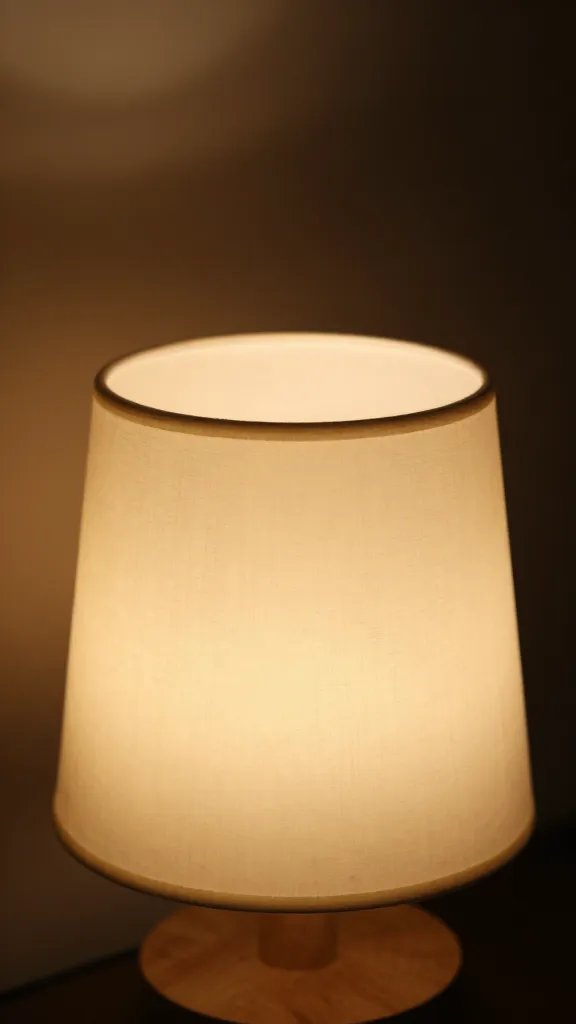
Good lighting isn’t a single light bulb pretending to be a sun. It’s a mix of ambient, task, and accent lighting that plays nice together. The goal: create a mood you can switch with a dimmer or a single lamp swap.
- Ambient: The base layer that fills the room with soft, even light. Think ceiling fixtures, recessed cans, or a warm ceiling wash.
- Task: Focused light for activities like reading or chopping, usually from floor lamps, desk lamps, or under-cabinet LEDs.
- Accent: Highlight architectural features, art, or greenery. Small, directional fixtures or wall washes do the trick.
Why it matters? Without layering, spaces feel flat and lifeless. With it, you get depth, warmth, and a space that invites you to linger. IMO, you’ll also notice fewer random shadows that make your sofa look rebelliously haunted.
Play with Color Temperature to Shape the Mood
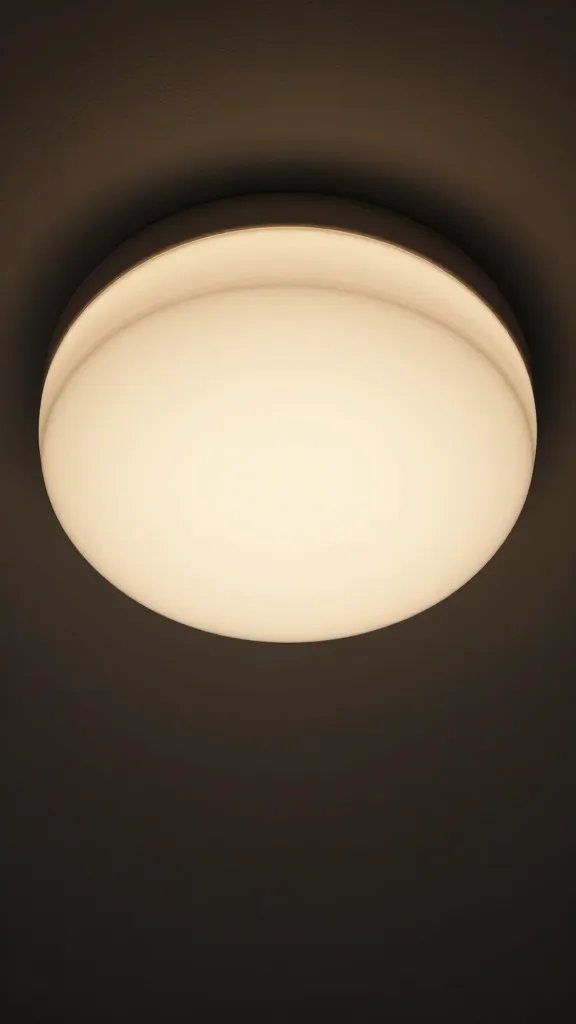
Color temperature sets the emotional temperature of a room. It’s not just a technical spec; it’s mood control.
- Warm white (2700K-3000K): Cozy, inviting, perfect for living rooms and bedrooms.
- Neutral white (3500K-4100K): Clean and versatile, great for kitchens and home offices.
- Cool white (5000K-6500K): Bright and focused, ideal for task-heavy spaces like craft rooms or workshops.
Tip: Mix temperatures within reason. A warm main layer with a few cool accents can feel modern without shouting. If you’re using smart bulbs, you can even nudge temperatures by time of day—morning chill, evening warm hug. FYI, avoid mixing too many different hues in a single corner unless you’re going for a deliberately eclectic vibe.
Highlight Focal Points with Accent Lighting
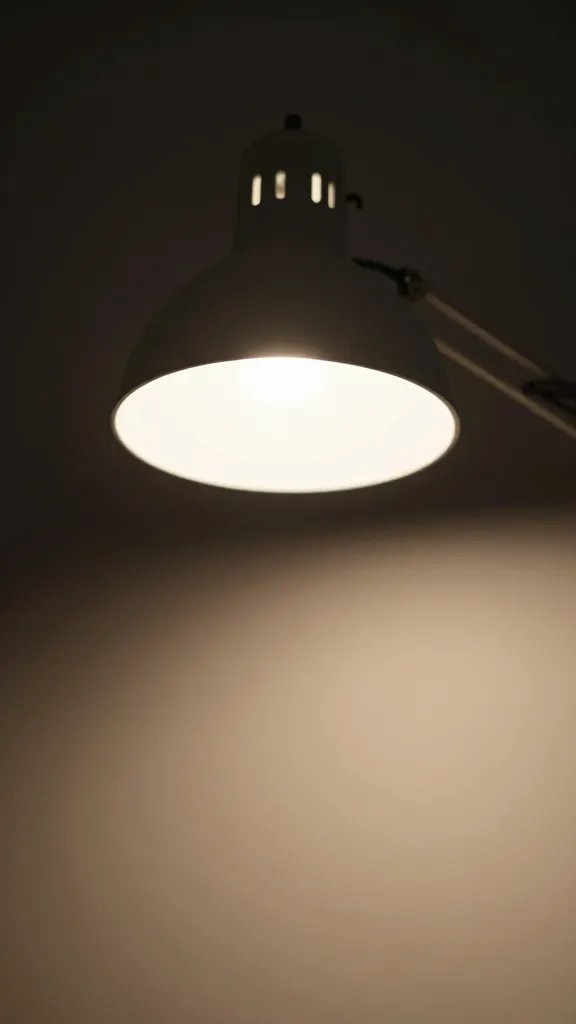
Your favorite sculpture, artwork, or plant deserves its own glow. Accent lighting makes details pop without blasting the entire room.
Artwork and Wall Details
Use adjustable picture lights, wall sconces, or track lighting to draw the eye. Keep the beam narrow and the color temperature slightly warmer to avoid harsh glares.
Architectural Features
Recessed uplights along a ceiling ridge or a wall grazing fixture can sculpt texture on brick, drywall, or wood paneling. It’s like giving the room a tiny sculpture of its own.
Get Cozy with Dimmer Drama
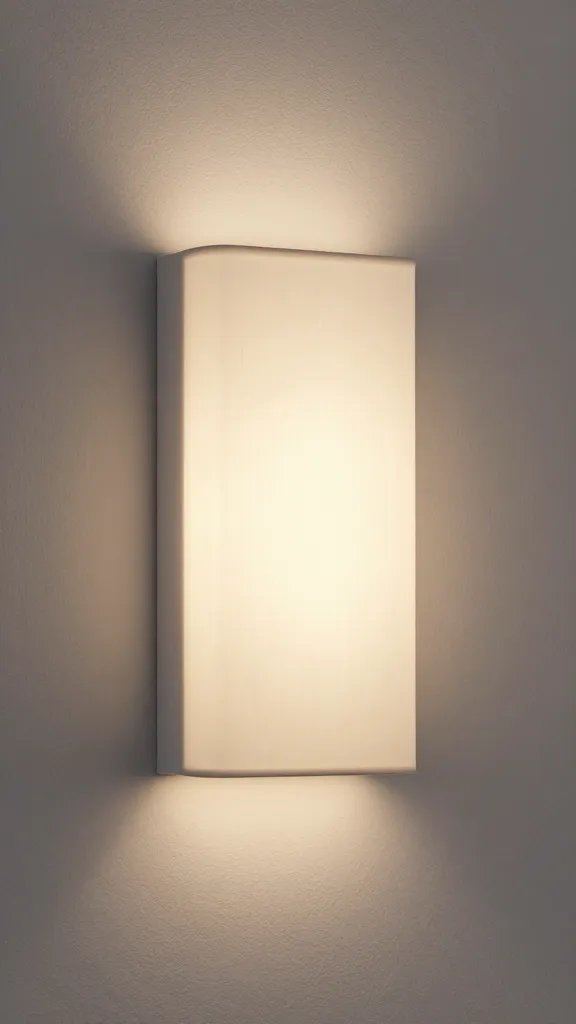
Dimmer switches aren’t just for theater; they’re your everyday mood mod. The right dimmer makes candles jealous.
- Set the vibe: Bright for chores, low for movie night, somewhere in between for lounging.
- Energy savings: Lower light equals lower electricity, plus bulbs last longer when you don’t blast them at full power.
- Smart control: If you can, hook up to a smart home system or at least a smart bulb. Voice control or an app makes mood changes effortless.
How low can you go? Start with a floor lamp in the living room and a couple of lamps in the corners. If you can’t dim the main ceiling light, layer with table lamps to soften the glare. You’ll wonder how you ever lived with brightness as a default.
Statement Lights: Size, Scale, and Style that Shine
A single eye-catching fixture can become your space’s personality, but choose it wisely.
- Scale matters: A tiny chandelier in a tall entryway looks wei-rd; a large pendant over a dining table can anchor the room.
- Style consistency: If your furniture leans industrial, balance with metal finishes. If you adore boho, a woven lantern with warm glow works wonders.
- Proportions: Leave 6-12 inches of clearance above tables and think about angle and glare at eye level.
Pro tip: Don’t be afraid to mix metals. A brushed nickel fixture and a warm brass lamp can live happily in the same space if you pull in a coordinating accent color or texture elsewhere.
Practical Placement That Actually Works
Genius lighting isn’t just about what you install; it’s where you put it.
- Living room: A mix of floor lamps, table lamps, and a ceiling layer creates a soft envelope. Place lamps at seating heights to avoid squinting.
- Kitchen: Under-cabinet LEDs brighten work surfaces. Don’t forget toe-kick lighting for a subtle, practical glow at night.
- Bedroom: A warm main source with reading lamps at bedside creates a balance between intimacy and functionality.
Remember: Avoid direct overhead glare when you’re watching TV or relaxing. You want ambiance, not spotlights making you squint like a vampire.
Tech-Savvy Tricks for Effortless Glow
If you love gadgets, you’re in luck. Lighting tech has become wonderfully forgiving.
Smart Bulbs and Scenes
Create scenes like “Evening Unwind” or “Focused Work” with a tap or voice command. You’ll thank yourself when you don’t have to adjust multiple lamps manually.
Motion and Ambient Sensors
Motion-activated lights are handy in hallways and entryways. They save energy and keep things feeling lived-in rather than “photo shoot ready” at 3 a.m.
FAQ
What is the simplest way to start upgrading my lighting?
Start with a dimmer on your main overhead light and add two lamps in the living area. Choose warm bulbs (2700K-3000K) for coziness, then layer in a floor lamp with a warmer tone for ambience. It’s amazing how fast a room can feel upgraded with just a few swaps.
How do I know which bulbs to buy for different fixtures?
Look for bulbs labeled warm white (2700K-3000K) for living spaces, neutral white (3500K-4100K) for kitchens and desks, and cool white (5000K-6500K) for task-heavy areas. Check for dimmable options if you plan to use a dimmer. If the fixture is enclosed, pick bulbs rated for enclosed use.
Will mixing different light sources really make a difference?
Yes. Ambient, task, and accent lights together create depth and mood. It reduces flatness and eliminates harsh shadows. It’s kind of like adding seasoning to a dish—too little and bland, too much and overpowering.
How can I avoid lighting that feels chaotic or mismatched?
Stick to a unifying palette: same metal finishes, similar color temperatures, and a consistent style thread across fixtures. If you go bold with a statement piece, keep the rest calmer. IMO, balance is your best friend here.
Are smart lights worth it for renters?
Absolutely. They’re easy to install, don’t require hardwiring, and you can program scenes that fit your lease terms. FYI, you’ll feel like a genius when you can adjust color and brightness from your couch.
Conclusion: Shine Your Space with Confidence
Lighting isn’t an afterthought; it’s the quiet conductor of your decor. Layer, temperature-tune, highlight what you love, and give yourself the control to shift vibes in seconds. With a handful of smart choices and a dash of humor, your décor will not only shine—it will feel like you upgraded your life, one cozy glow at a time.
Explore More & Elevate Your Celebration
If you’re planning a dreamy and romantic wedding, explore our Weddings category for timeless inspiration, elegant decor ideas, and essential planning tips.
For stylish birthday celebrations filled with warm glow and feminine touches, visit our Birthdays category.
If you’re hosting a party or elegant soirée and need ideas, stylish setups and glow-approved decor, explore Parties & Events.
For refined tablescapes, elegant decorating ideas, and styling inspiration that transforms any celebration, visit Decor & Styling.
If you want to stay organized, plan stress-free, and make your celebration feel effortless, explore our Planning category.
For soft, glowing, magical ideas and warm inspiration to elevate every moment, discover our Inspiration category.